Walking Pad vs. Gym Membership: The Real Cost Over a Year
SmartFlexora
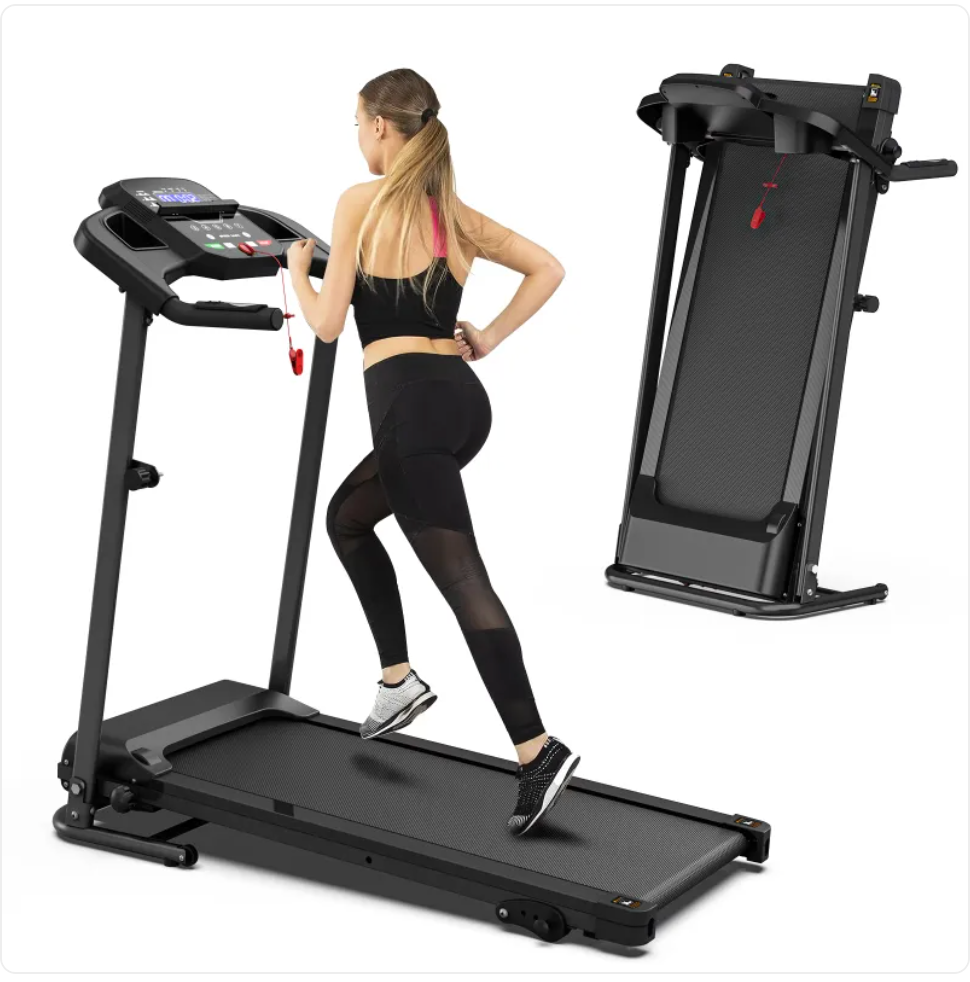
When you’re deciding how to spend your fitness budget, the sticker price is only half the story. A gym membership looks affordable month to month, while a walking pad is one upfront payment. So which actually costs less over a year? Let’s do the math honestly, with example numbers clearly labeled as estimates, so you can plug in your own figures.
A quick note on the numbers
Everything below is an illustrative example, not a study or a guarantee. Gym prices vary widely by city, chain, and membership tier, and treadmill prices vary by model. Use these figures as a framework and swap in the real costs you’re quoted.
The gym membership math (example)
Let’s build a simple, realistic example for one year of a mid-range gym membership.
- Monthly fee (example): $40 per month
- Annual total from fees: $40 x 12 = $480
- Sign-up or initiation fee (example): $50 one-time
- Annual membership subtotal: about $530 for the first year
Then there are the costs people forget:
- Commute. Gas, parking, or transit adds up over dozens of trips.
- Time. The drive to and from the gym is time you don’t spend on other things. It’s not a dollar cost, but it’s a real one.
- Extras. Some memberships upsell classes, lockers, or premium access.
Even without the extras, our example lands around $530 in year one and roughly $480 for each following year, assuming the price holds.
The walking pad math (example)
Now the walking pad. It’s a larger upfront cost, but it’s a one-time purchase you own.
- Purchase price (example): around $399.99 for a quality compact folding treadmill
- Shipping: $0 with free US shipping at SmartFlexora
- Ongoing cost: minimal, mostly a small amount of electricity to run the motor
- Commute cost: $0, since it lives in your home
In this example, the walking pad costs about $400 up front and very little after that.

Comparing year one and beyond
Here’s where it gets interesting. Using our example figures:
- Year one: Gym (~$530) vs. walking pad (~$400). The walking pad is already a bit cheaper.
- Year two: Gym adds another ~$480, bringing its two-year total to ~$1,010. The walking pad’s total stays close to its original ~$400.
- Beyond: The gap widens every year the membership renews.
Again, these are example numbers. If your gym is cheaper, the crossover takes longer. If it’s pricier, the walking pad pulls ahead even faster. The pattern, though, is consistent: a one-time purchase tends to win over recurring fees given enough time.
But cost isn’t the only factor
Honesty means acknowledging that money isn’t everything. A gym offers things a walking pad can’t:
- A wide range of equipment for strength, cardio, and classes
- A social, motivating environment
- Amenities like pools, saunas, or courts
A walking pad, on the other hand, offers convenience that’s hard to beat: no commute, no crowds, and the ability to move while you work, watch, or take calls. For many people, the machine you’ll actually use beats the one you have to travel to.
Who comes out ahead?
- Choose the gym if you value variety, classes, heavy equipment, or the community atmosphere, and you’ll genuinely go regularly.
- Choose the walking pad if your main goal is consistent daily movement, you want to save commute time, and you’d rather pay once than every month.
Plenty of people do both, using a walking pad for daily steps and a gym for specific training. There’s no wrong answer, only the one that fits your life and budget.
The bottom line
Run the numbers with your own quotes, but the example math tells a clear story: a walking pad’s one-time cost often beats a recurring gym membership over a year or two, while also saving you commute time. It won’t replace everything a gym offers, but for consistent, low-impact daily movement, it’s a strong value, especially when it ships free and comes with buyer protection.
Curious whether the math works for you? Take a look at the Compact Folding Treadmill with Pulse Sensor or browse the full treadmills collection, all backed by free US shipping and 30-day buyer protection.