Are Walking Pads Worth It? An Honest Buyer's Guide
SmartFlexora
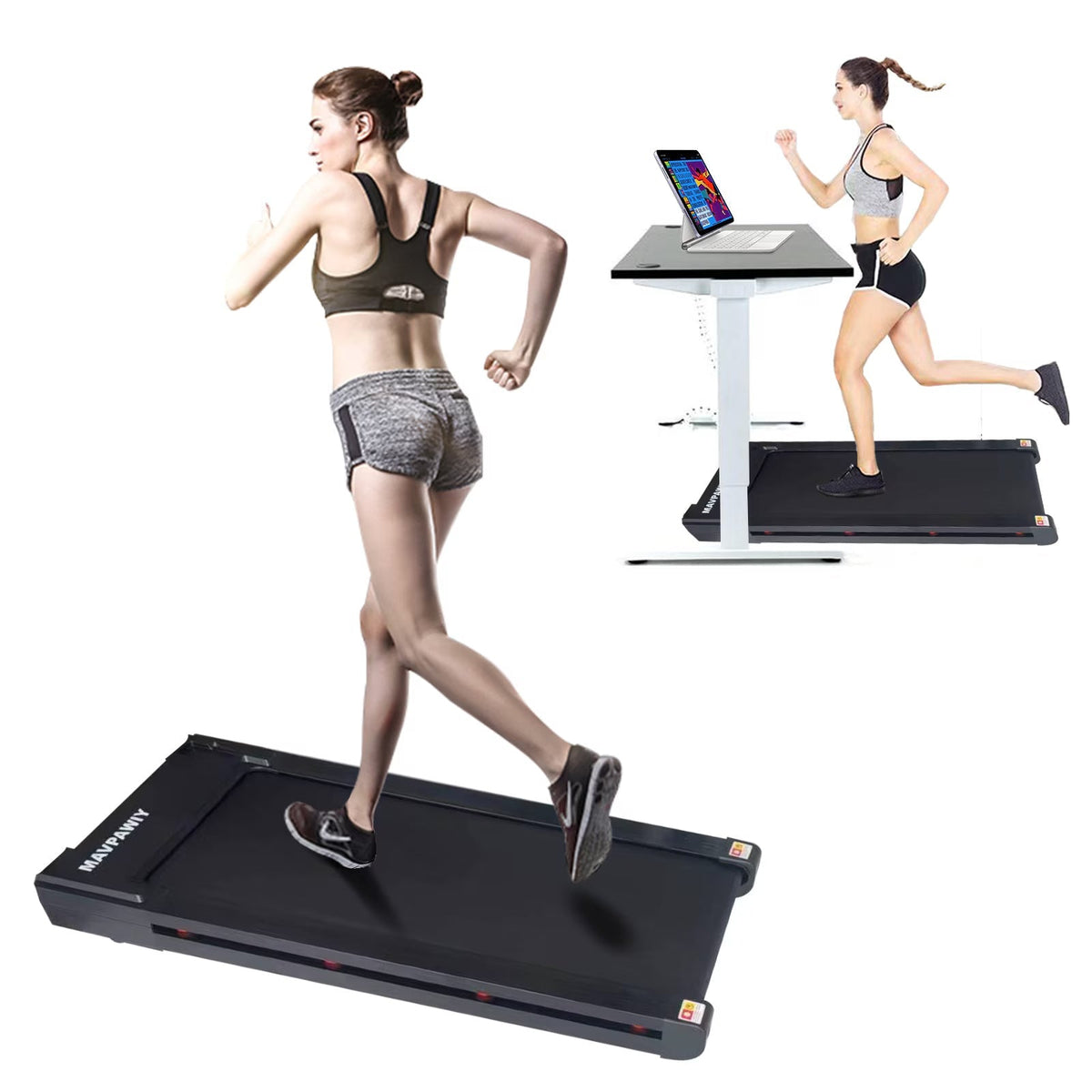
Walking pads have gone from niche gadget to one of the most talked-about home fitness purchases. But behind the viral videos, a fair question remains: are they actually worth it? The honest answer is that it depends on your lifestyle, your space, and how you plan to use one. Let’s walk through the trade-offs so you can decide with clear eyes.
What a walking pad actually is
A walking pad (sometimes called an under-desk treadmill) is a slim, low-profile treadmill built for walking rather than running. Most are designed to slide under a desk, couch, or bed when you’re done. Compared to a traditional treadmill, they skip the tall handrails and bulky frame in favor of something you can move and store easily.
The appeal is simple: they make it easier to add movement to a day that’s otherwise spent sitting.
Who walking pads suit best
Walking pads tend to be a great fit if you:
- Work from home or spend long hours at a desk
- Want to add steps without carving out a separate “workout” block
- Live in an apartment or smaller home where a full treadmill won’t fit
- Prefer walking over high-impact exercise
- Like the idea of exercising while on calls, watching shows, or reading
If your main goal is sprint training or serious running, a walking pad probably isn’t the right tool. It shines for steady, low-impact movement rather than intense cardio.
The honest pros
They lower the barrier to moving. The biggest benefit isn’t fancy features. It’s that a walking pad sits right where you already are. When exercise is a few steps away, you’re more likely to actually do it.
They save space. A foldable or compact model can tuck away in seconds, which matters if your “gym” is really a corner of the living room.
Walking is genuinely good for you. You don’t need a study citation to know that regular walking supports general well-being, helps break up long sitting sessions, and is gentle on the joints. It’s one of the most accessible forms of movement there is.
They fit into a normal day. Because they’re quiet and low-impact, many people use them during work calls, streaming, or catching up on podcasts.

The honest cons
No product is perfect, and a good buyer’s guide says so.
They’re for walking, not running. Speed ranges are modest by design. If you want to run, look at a full-size treadmill instead.
Small footprint means a smaller deck. The compact size that makes storage easy also means less belt space, so very tall users or those wanting a long stride should check dimensions carefully.
They require consistency to pay off. A walking pad only “works” if you use it. The convenience helps, but the habit is still on you.
What to look for before you buy
A few practical things separate a walking pad you’ll love from one you’ll regret:
Motor and noise. Look for a reasonably quiet motor if you plan to use it during calls or in a shared space. Quieter operation makes daily use far more pleasant.
Weight capacity. Match the capacity to your needs with a comfortable margin rather than buying right at the limit.
Fold and storage. If space is your reason for buying, confirm it folds flat and is easy to move.
Helpful extras. Features like a pulse sensor to keep an eye on your heart rate can add value without overcomplicating things.
The buying experience. Free shipping, a clear return window, and responsive support all reduce the risk of an online purchase. At SmartFlexora, orders ship free within the US, come with 30-day buyer protection, and are backed by friendly US-based support if you have questions.
So, are they worth it?
For a lot of people, yes. If you sit for hours and want an easy, low-pressure way to move more, a walking pad can genuinely change your daily routine. If you’re chasing intense cardio or plan to run, your money is better spent elsewhere.
The bottom line
Walking pads are worth it when they match how you actually live. They won’t magically make you fit, but they remove friction from moving your body, and for desk-bound days that’s a meaningful edge. Be honest about your goals, check the specs that matter, and buy from a store that stands behind the purchase.
Not sure which model fits your space and budget? Take a look at our compare treadmills page to see options side by side, or browse the full treadmills collection to find your match.